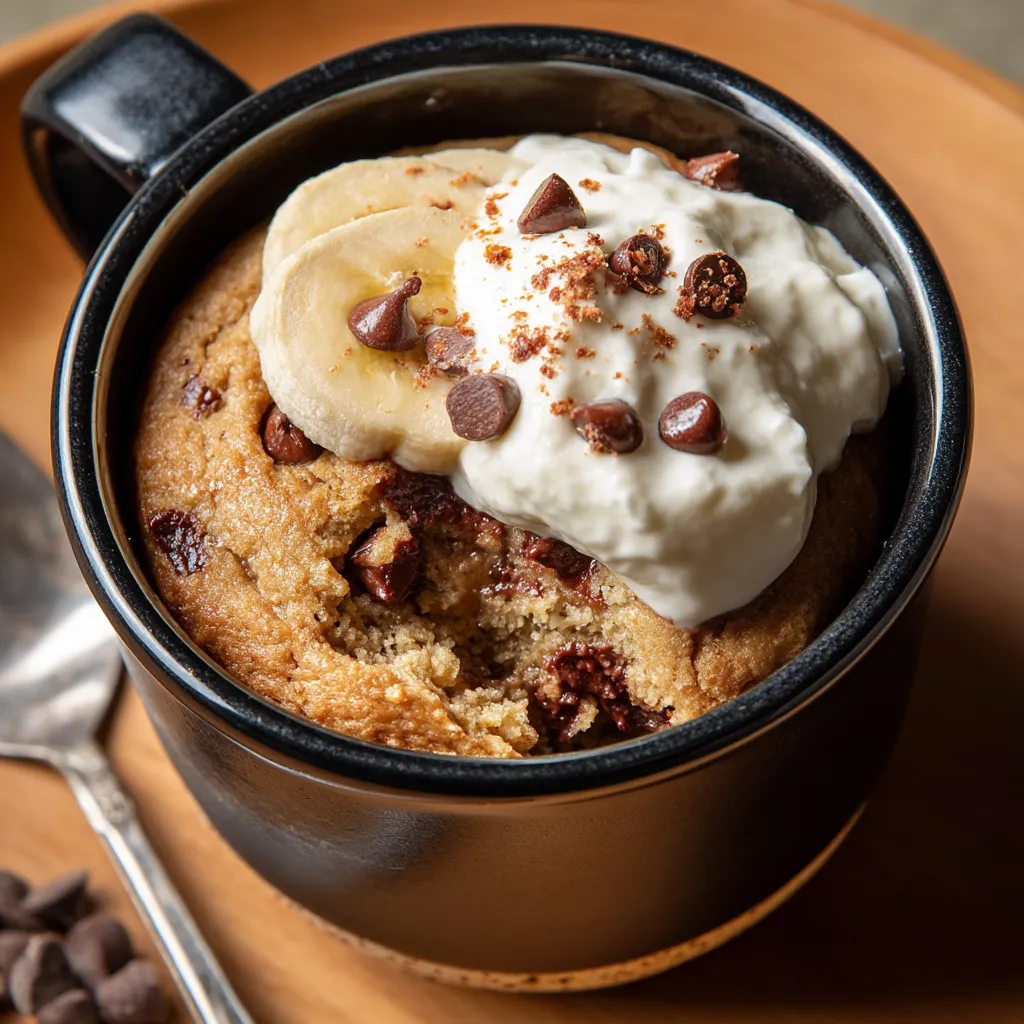
Beyond the Basics: Elevating Your Banana Mug Cake Experience
The humble banana mug cake has taken the world by storm, offering a delightful solution for those sudden sweet cravings. It's quick, requires minimal clean-up, and uses up those overripe bananas sitting on your counter. While the foundational recipe is simple, mastering the art of the banana mug cake goes beyond just mixing ingredients and microwaving. This article delves deeper into advanced techniques, ingredient science, and creative variations to help you consistently bake the perfect single-serving treat. If you're looking for the absolute essentials to get started, you might want to revisit banana mug cake - Article 1 for the basics before diving into these advanced tips.
Achieving that ideal balance of moistness, fluffiness, and rich banana flavor requires a nuanced understanding of your ingredients and microwave. It's about transforming a simple snack into a gourmet experience, one mug at a time.
The Science of a Perfect Banana Mug Cake: Ingredients and Ratios
Every ingredient in your banana mug cake plays a crucial role. Understanding their functions helps you troubleshoot and customize.
- Bananas: The star of the show!
- Ripeness Matters: Overripe bananas (with lots of brown spots) are softer, sweeter, and easier to mash, releasing more moisture and intense banana flavor. Underripe bananas can lead to a less sweet, denser cake.
- Pectin Power: As bananas ripen, pectin breaks down, contributing to their softness and providing natural sweetness. This sweetness also helps with browning and moisture retention.
- Flour: The structure builder.
- All-Purpose Flour: Provides a good balance of structure and tenderness. Too much can lead to a dry, dense cake.
- Whole Wheat Flour: Adds a nutty flavor and more fiber, but can make the cake denser. You might need to add a touch more liquid.
- Alternative Flours (Almond, Oat): Require careful adjustments to liquid and leavening. Almond flour, for instance, is lower in gluten and higher in fat, often resulting in a moister, denser cake.
- Sweeteners: Beyond just taste.
- Granulated Sugar: Provides sweetness and helps with moisture and tenderness.
- Brown Sugar: Adds a deeper, caramel-like flavor and more moisture due to molasses content.
- Liquid Sweeteners (Maple Syrup, Honey): Can alter the cake's consistency and moisture significantly. Adjust other liquids accordingly.
- Fats (Butter/Oil): For richness and texture.
- Melted Butter: Imparts a rich, classic flavor and contributes to a tender crumb.
- Vegetable Oil: Results in a very moist, light cake as it interferes less with gluten development.
- Applesauce/Yogurt: Can substitute some fat for a healthier option, adding moisture but potentially altering texture slightly.
- Leavening Agents (Baking Powder/Soda): The secret to rise.
- Baking Powder: A complete leavening agent that reacts with liquid and heat, giving your cake lift.
- Baking Soda: Requires an acid (like the lactic acid in buttermilk or the natural acids in bananas, especially riper ones) to activate and create CO2 bubbles, contributing to rise and tenderness. Most banana mug cake recipes benefit from a touch of baking soda, especially if using very ripe bananas.
- Liquid (Milk/Plant-Based Milk): For hydration and consistency.
- Ensures the batter has the right consistency, which should be like a thick pancake batter. Too thick, and it will be dry; too thin, and it will be gummy.
Creative Twists and Toppings for Your Banana Mug Cake
Once you've mastered the basic technique, it's time to get creative! The versatility of the banana mug cake is one of its greatest strengths. For even more inspiration, check out banana mug cake - Article 2 which explores various flavor combinations.
- Flavor Boosters:
- Spices: A pinch of cinnamon, nutmeg, ginger, or even a dash of pumpkin pie spice can transform the flavor profile.
- Extracts: Beyond vanilla, try almond, rum, or even a drop of coconut extract.
- Zest: Lemon or orange zest adds a bright, fresh note that cuts through the sweetness.
- Delightful Add-ins: (Fold these into the batter before microwaving)
- Chocolate Chips: Mini chocolate chips or chopped chocolate bars melt beautifully.
- Nuts: Chopped walnuts, pecans, or almonds add texture and healthy fats.
- Dried Fruit: Raisins, dried cranberries, or chopped dates bring extra sweetness and chewiness.
- Coconut Flakes: For a tropical twist, especially delicious with a hint of lime zest.
- Nut Butters: Swirl a teaspoon of peanut butter, almond butter, or Biscoff spread into the batter for a gooey center.
- Irresistible Toppings: (Add these after cooking)
- Whipped Cream or Ice Cream: Classic pairings that add a luxurious finish.
- Sauces: Caramel, chocolate fudge, or a simple berry compote.
- Fresh Fruit: Sliced bananas, berries, or a few sprigs of mint.
- Crunch: A sprinkle of granola, crushed cookies, or chopped nuts.
- Dusting: A light dusting of powdered sugar or cocoa powder.
Troubleshooting Common Banana Mug Cake Mishaps
Even experienced bakers can run into issues. Here's how to identify and fix common banana mug cake problems:
- Problem: Dry and Crumbly Cake
- Cause: Overcooking, too much flour, or not enough fat/liquid.
- Fix: Reduce microwave time (start with less and add 10-15 seconds if needed), measure flour accurately (spoon and level), and ensure correct liquid/fat ratios. Remember microwaves vary significantly!
- Problem: Gummy or Rubbery Texture
- Cause: Undercooking, too much liquid, or sometimes too much leavening creating large air pockets that collapse. Overmixing can also develop gluten too much.
- Fix: Cook for slightly longer, ensure batter consistency is thick, and mix just until combined.
- Problem: Cake Didn't Rise or Sank
- Cause: Expired baking powder/soda, overmixing (deflates air), or incorrect ratio of leavening.
- Fix: Check expiration dates of leavening agents, gently fold ingredients, and ensure your recipe calls for the correct amount.
- Problem: Overflowing Mug
- Cause: Mug is too small for the amount of batter.
- Fix: Use a mug that is at least 12-14 oz (350-400ml) in volume, and only fill it about halfway to two-thirds full to allow for rise.
- Problem: Burnt Edges, Undercooked Center
- Cause: Uneven microwave cooking, often due to hot spots or too high power.
- Fix: Reduce microwave power to 70-80% and cook for slightly longer, rotating the mug halfway through if your microwave doesn't have a turntable.
Health Benefits and Dietary Considerations of Banana Mug Cake
While often seen as an indulgence, a banana mug cake can be surprisingly adaptable to various dietary needs and even offer some health benefits.
- Nutritional Boost from Bananas: Bananas are a good source of potassium, vitamin B6, vitamin C, and dietary fiber, which aids digestion.
- Portion Control: Being a single-serving dessert, mug cakes inherently help with portion control, preventing overindulgence in larger batches of cake.
- Making it Healthier:
- Reduce Sugar: Decrease the amount of added sugar or use natural sweeteners like stevia or monk fruit. The sweetness from ripe bananas often means you need less added sugar.
- Whole Grains: Substitute part or all of the all-purpose flour with whole wheat flour or oat flour for added fiber.
- Healthy Fats: Use a neutral oil like avocado oil or coconut oil, or partially replace fat with applesauce or Greek yogurt.
- Add Protein: Stir in a scoop of unflavored or vanilla protein powder, adjusting liquid slightly if needed.
- Fiber Boost: Add a tablespoon of ground flaxseed or chia seeds.
- Allergen-Friendly Adaptations:
- Gluten-Free: Use a 1:1 gluten-free flour blend (ensure it contains xanthan gum) or specific gluten-free flours like oat, almond, or coconut flour (adjusting liquid accordingly).
- Dairy-Free: Substitute milk with plant-based alternatives (almond, soy, oat milk) and butter with a vegan butter substitute or oil.
- Egg-Free/Vegan: Ripe bananas often act as a binder, or you can use a 'flax egg' (1 tbsp ground flaxseed mixed with 3 tbsp water, let sit for 5 minutes) as an egg substitute.
Conclusion
The banana mug cake is more than just a quick fix; it's a canvas for culinary creativity and a testament to the magic of simple ingredients. By understanding the science behind your bakes, experimenting with diverse flavors and toppings, and knowing how to troubleshoot common issues, you can transform this humble microwave dessert into a consistently perfect, personalized treat. Whether you're seeking a healthier snack, a decadent indulgence, or a solution for those forgotten ripe bananas, the banana mug cake offers endless possibilities, proving that great things truly do come in small packages.
